Shopping Cart
US$114.95
View Cart

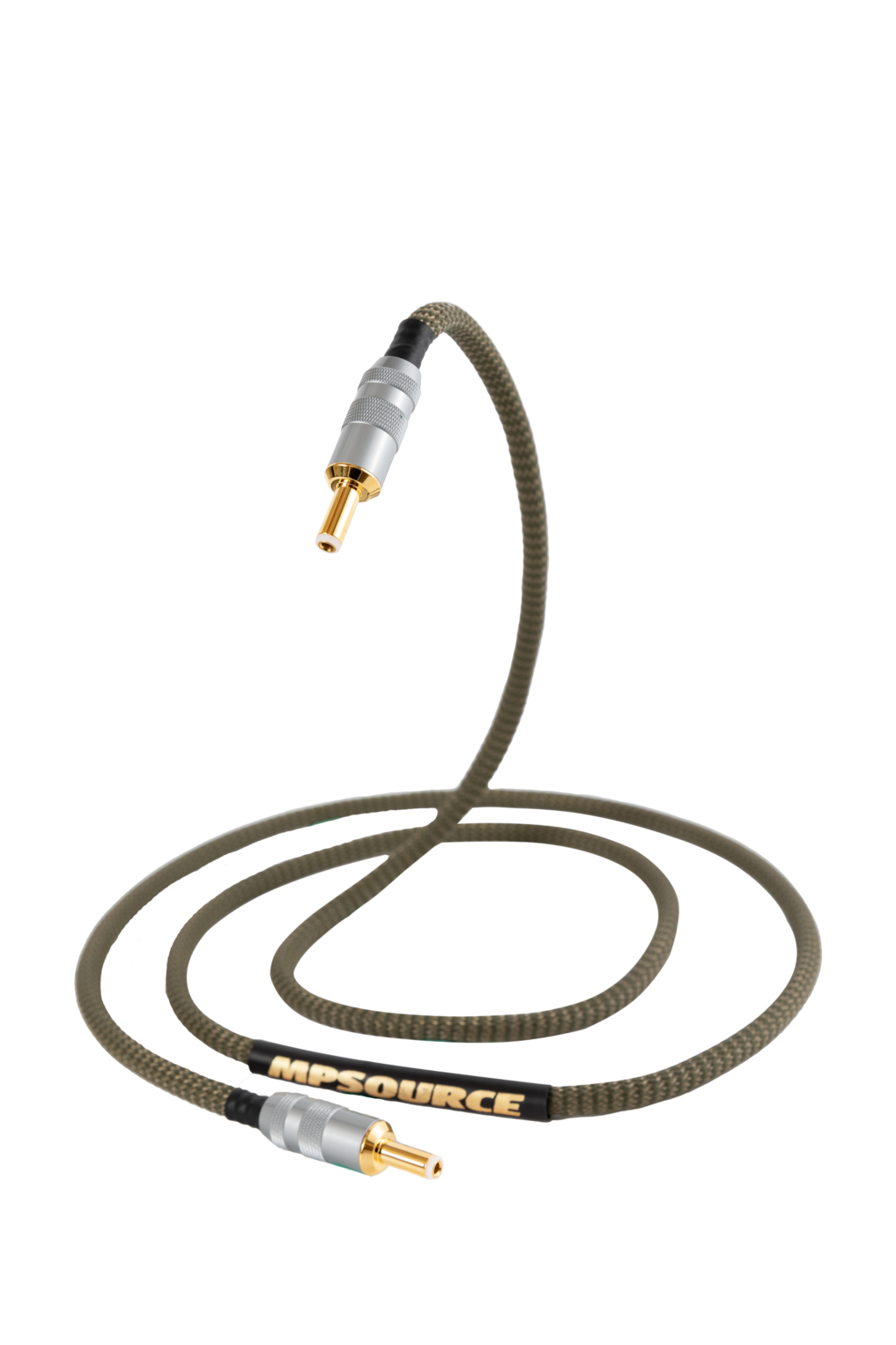
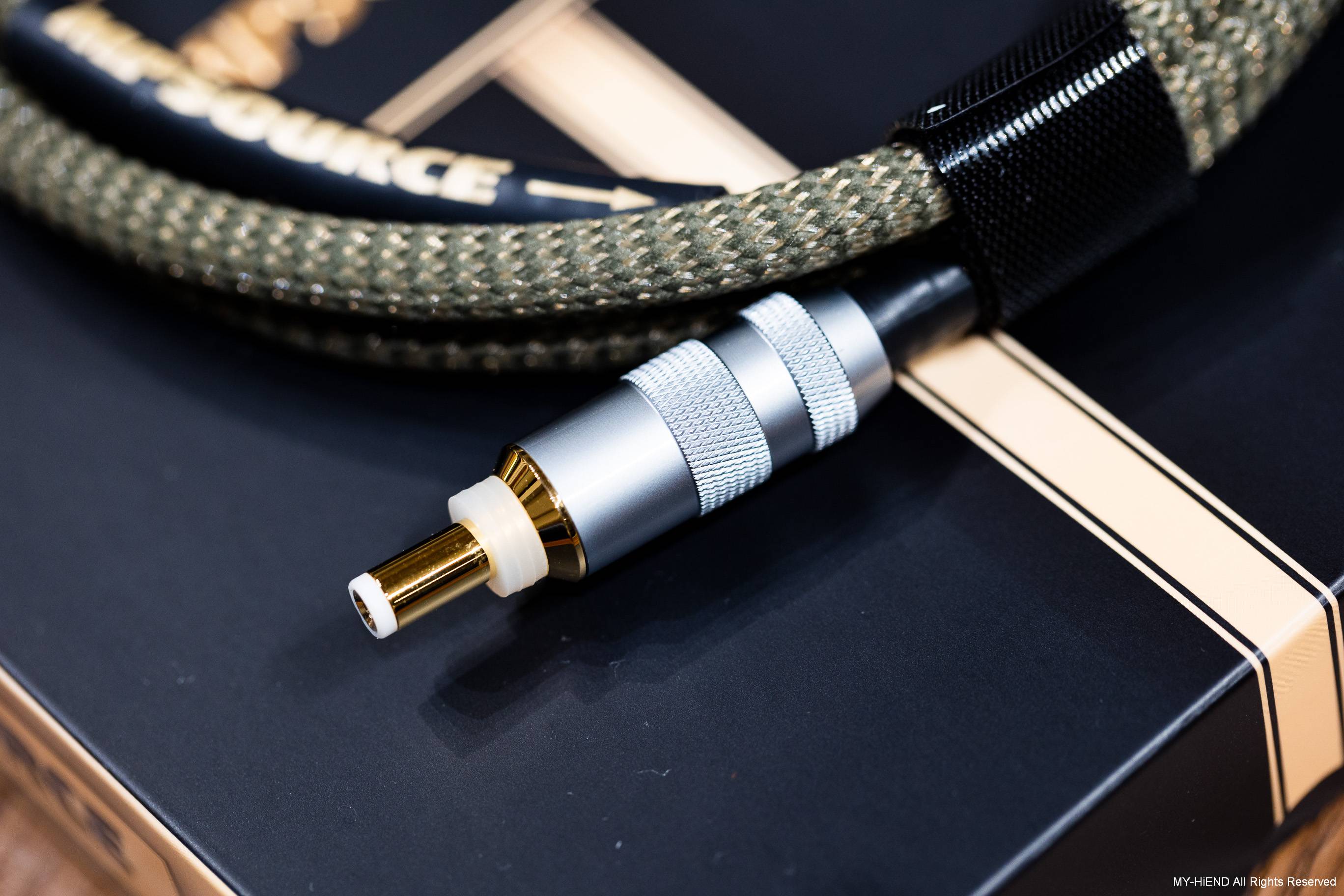
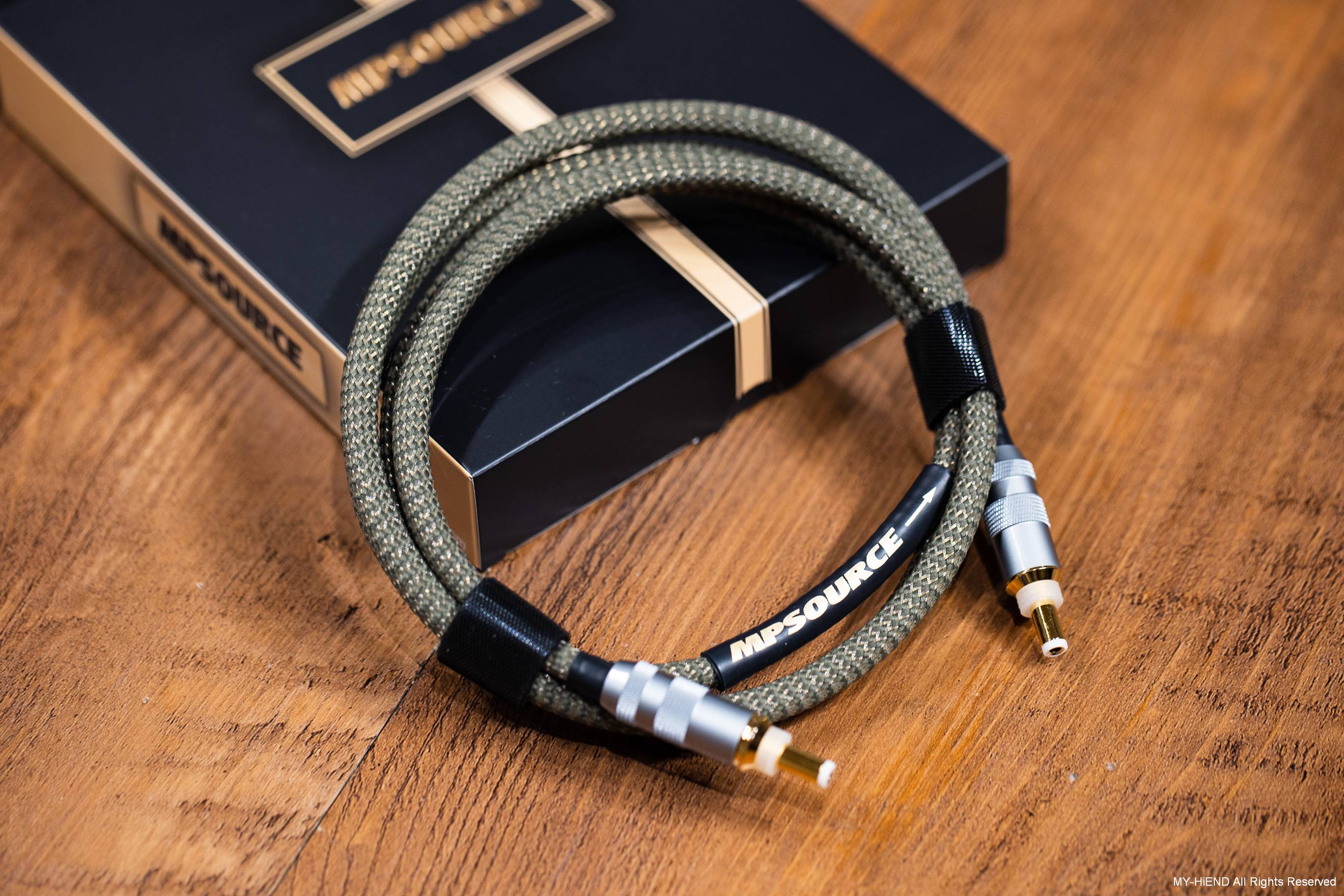
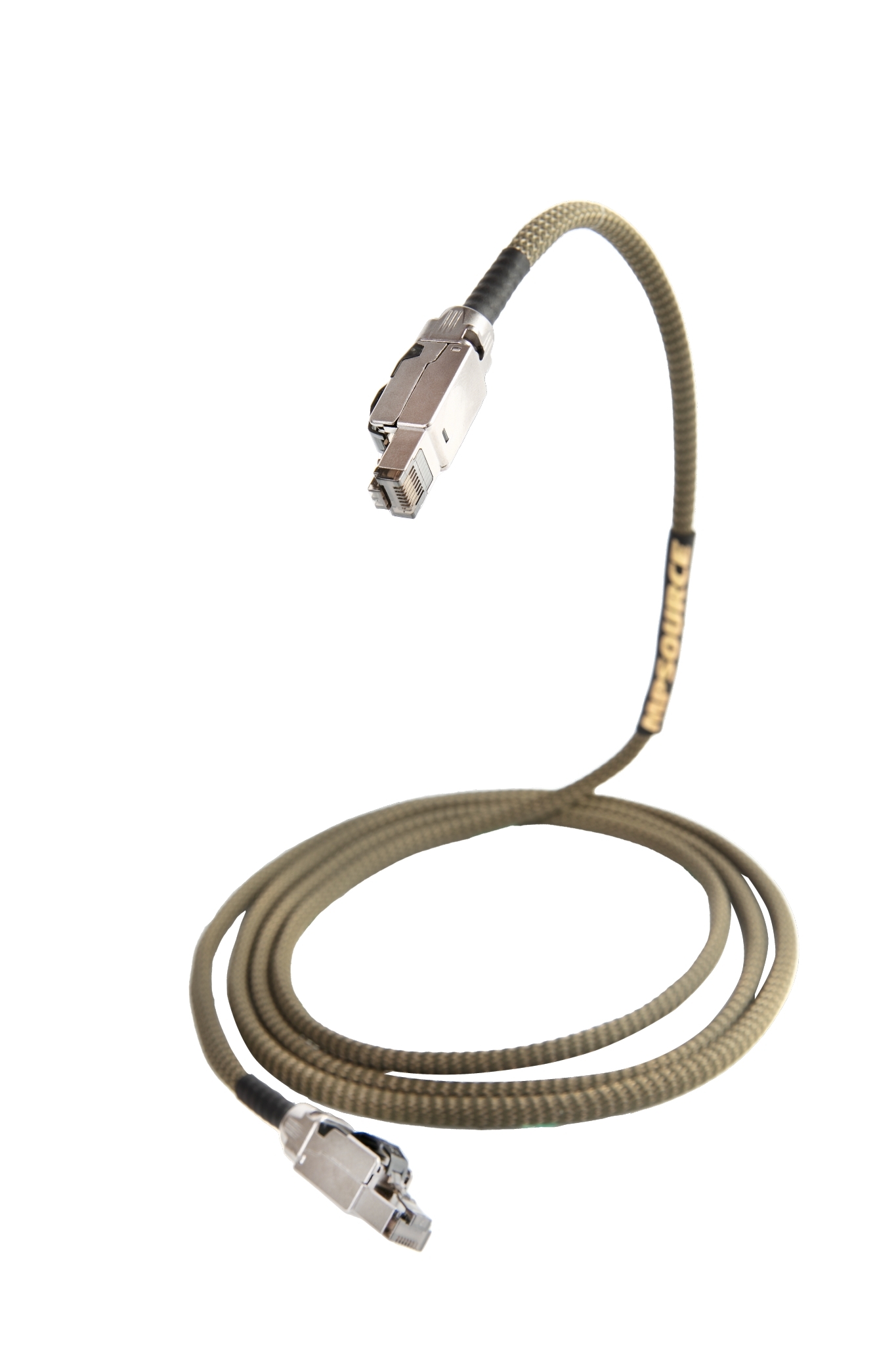
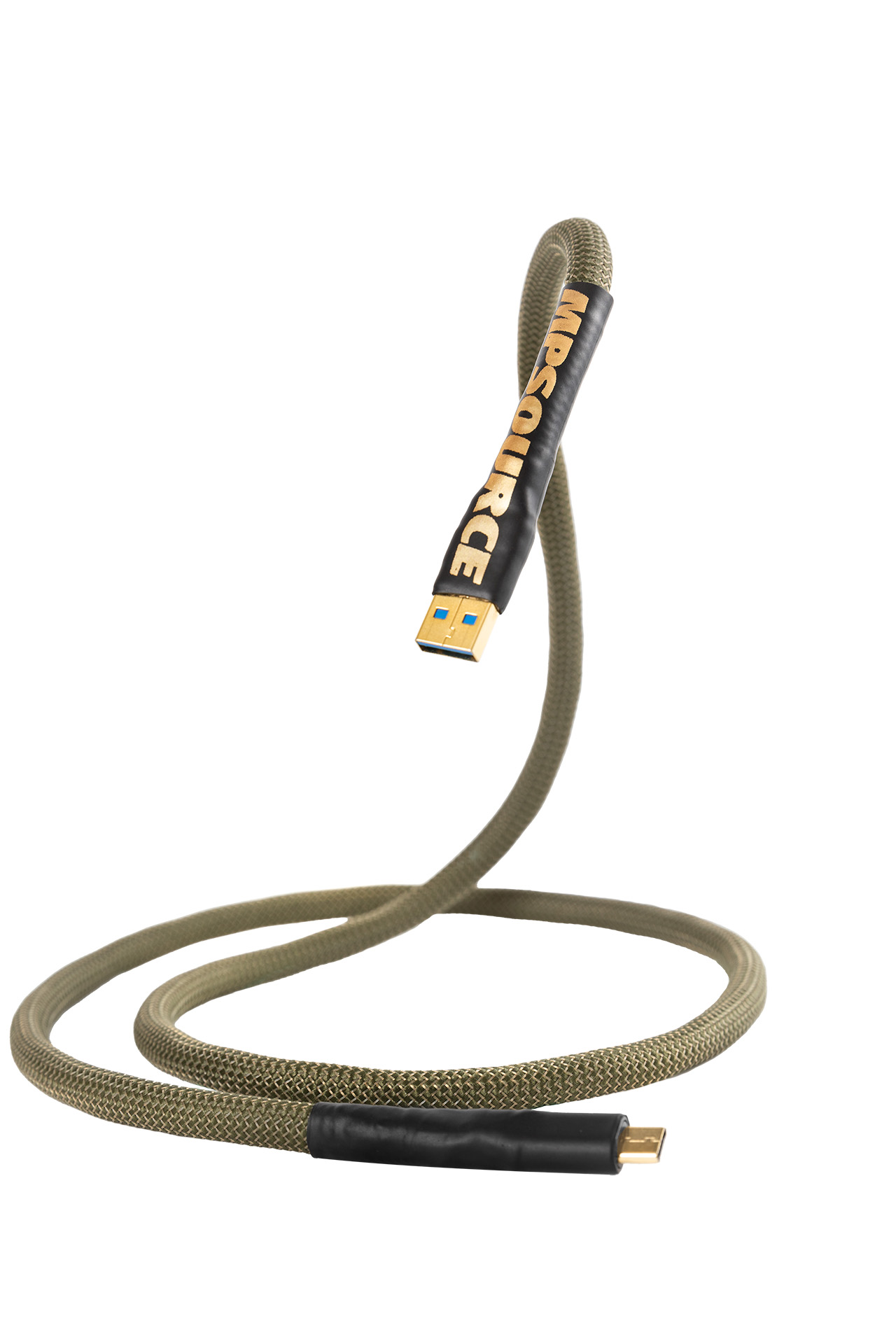
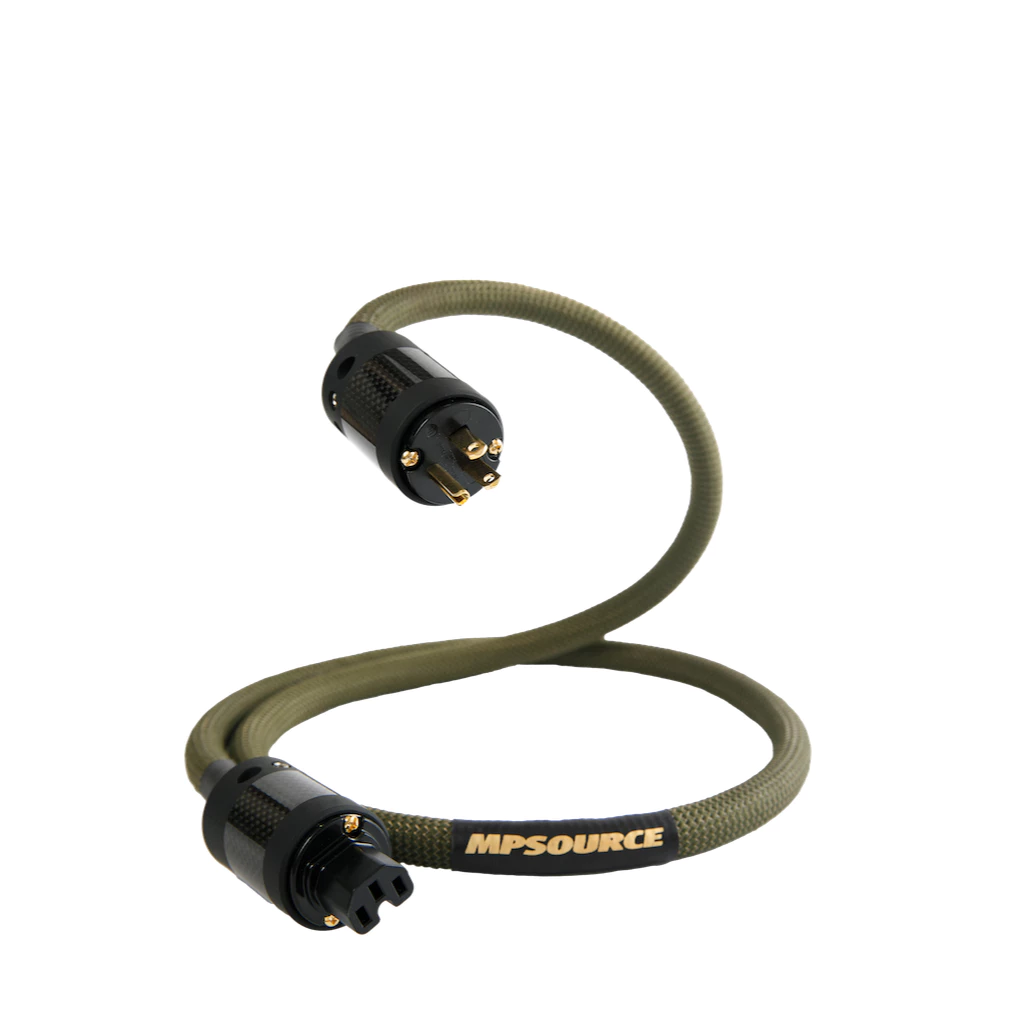
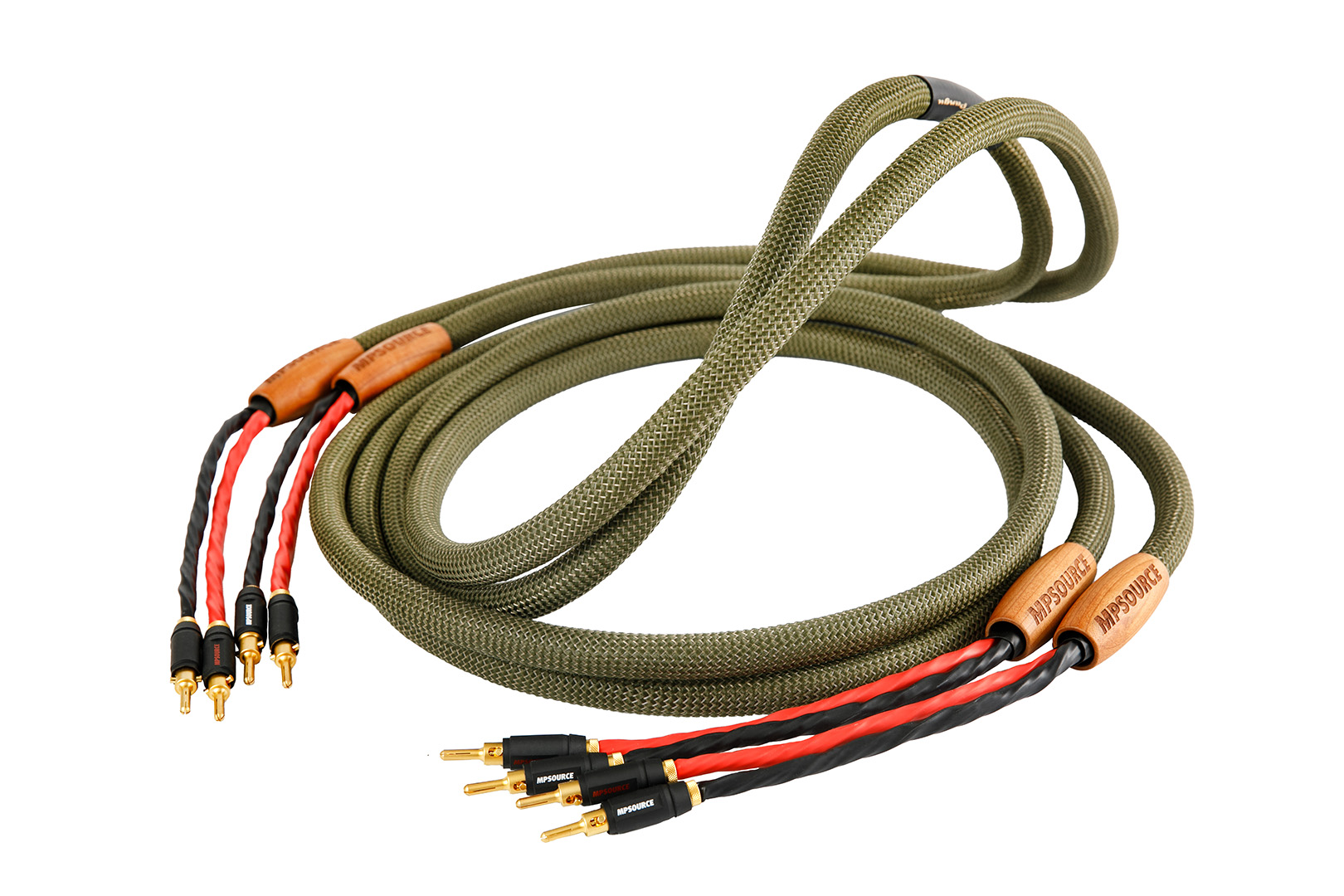
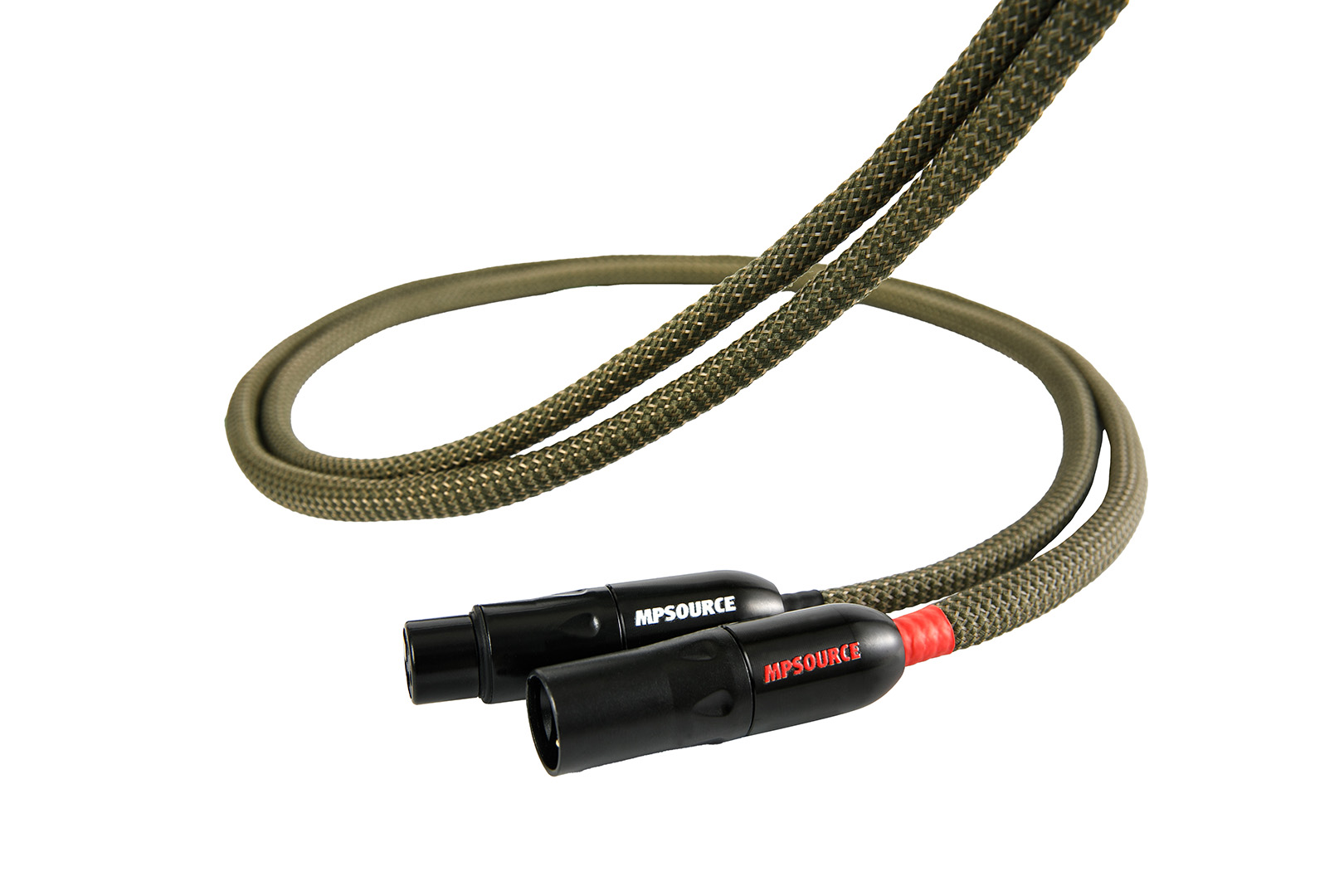
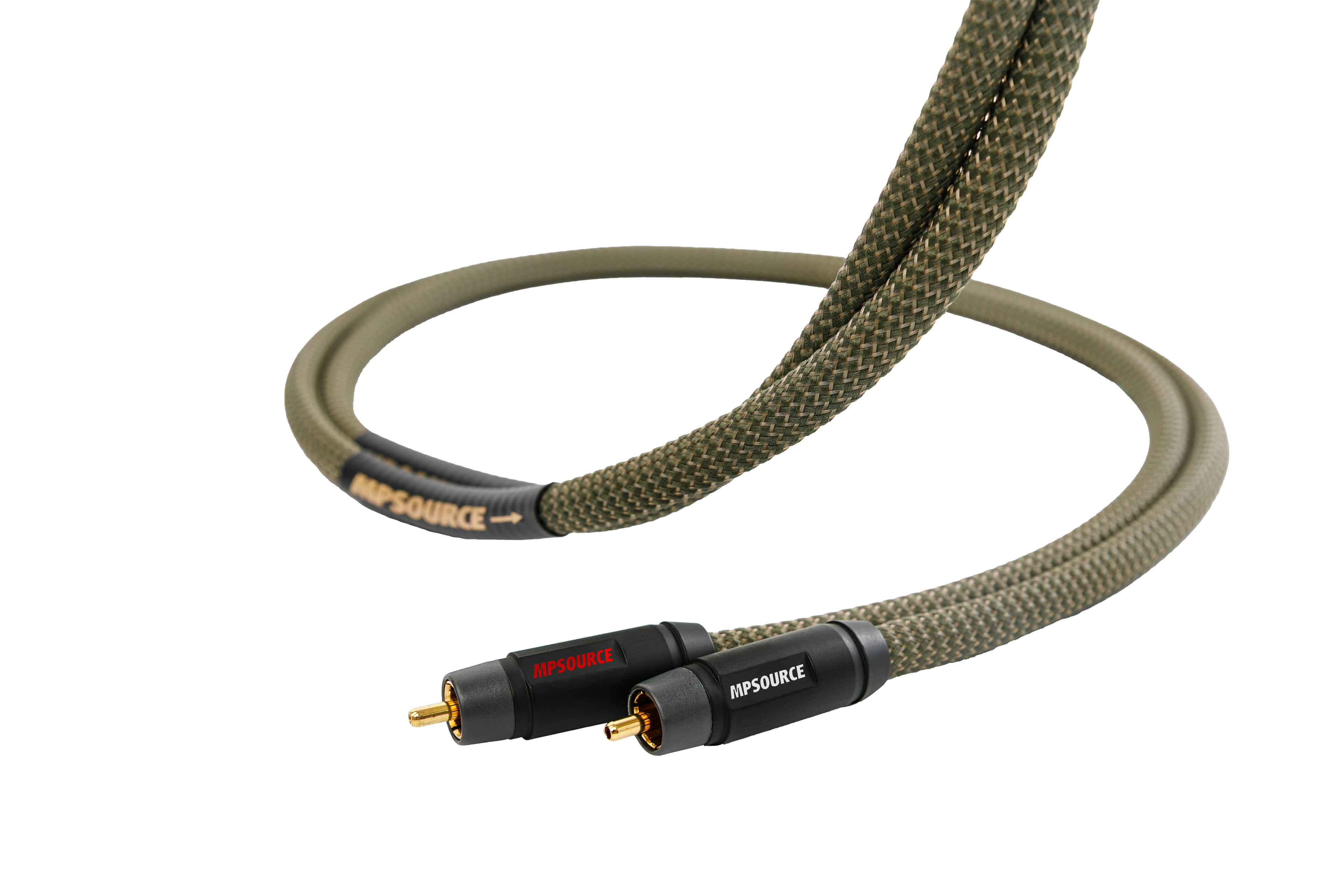
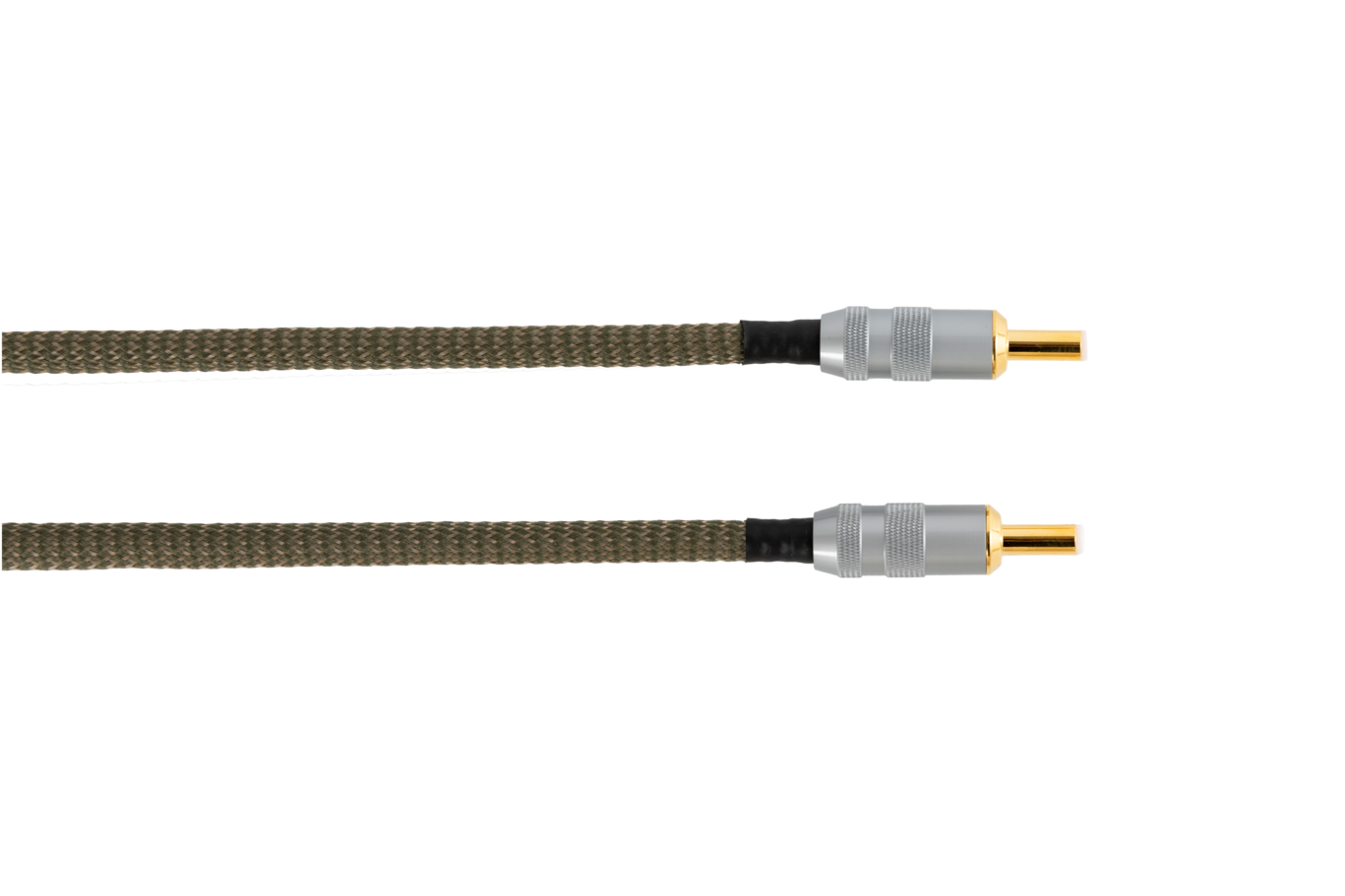
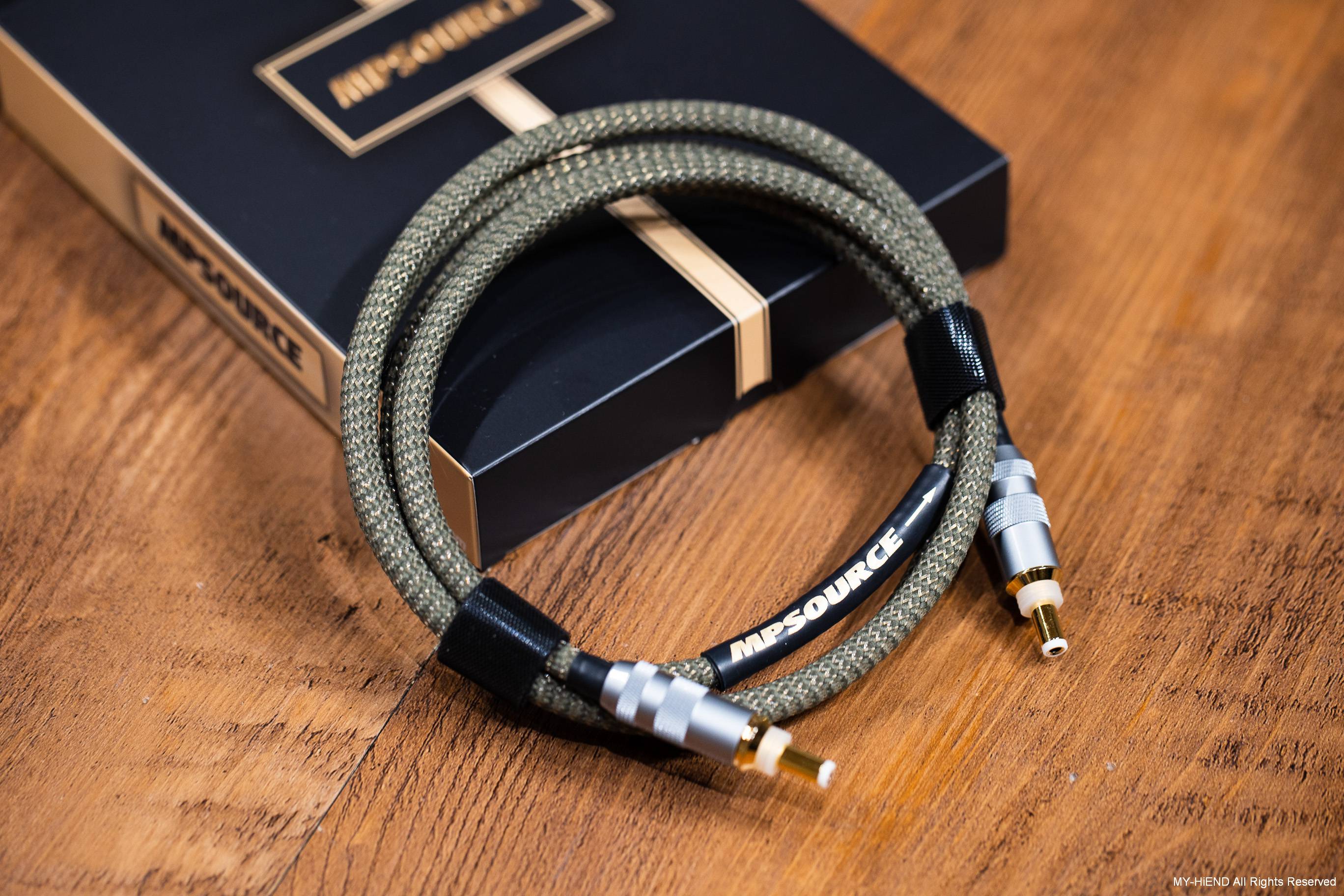
The Pangu DC Power Cable is a dedicated DC power cable engineered specifically for high-end audio systems. Its design goes beyond simply "supplying power" — it is focused on the comprehensive elevation of energy quality at the very front end of the system.
Compared to AC power cables, DC power delivery is simpler in nature, yet far more sensitive. Any deficiency in conductor purity, inconsistency in crystal orientation, or inadequacy in structural design will manifest directly in the operational stability of the equipment and the quality of its sonic output. For systems that pursue authentic musical reproduction, the DC power cable is not merely an accessory — it is a fundamental part of the sonic foundation.
The Pangu DC Power Cable uses high-purity 6N single-crystal copper conductors, effectively reducing grain boundary interference and energy loss during DC transmission.
Conductors with a single, unified crystal orientation allow current to flow more smoothly and consistently, preventing energy from being reflected or distorted in transit. This structure provides the equipment with clean, continuous DC energy — enabling more stable circuit operation and laying a solid foundation for sonic performance.
The Pangu DC Power Cable is particularly well-suited for network-end devices such as network switches, streaming players, network bridges, clocks, and other DC-powered equipment.
These devices sit at the very front end of the audio system, and their power supply quality directly affects the signal integrity and sonic foundation of every component downstream. Through stable, low-interference DC power delivery, system background noise is effectively reduced, and both resolution and soundstage layering are meaningfully improved.
Upgrading to the Pangu DC Power Cable does not simply improve the performance of a single device — it reorganizes the energy order of the entire system from the source.
When the quality of DC power at the front end is elevated, downstream components operate under more ideal conditions, resulting in a cleaner background, more complete retrieval of fine detail, and a more natural and fluid musical presentation.
The Pangu DC Power Cable is the starting point for DC power upgrading — designed for audiophiles who pursue the highest overall sonic quality from their system.
The difference in audio-grade network cables does not come from numbers on a specification sheet — it comes from a comprehensive upgrade in material selection and manufacturing craft.
Common approaches include the use of higher-purity conductor materials such as oxygen-free copper, silver-plated copper, OCC, silver-plated OCC, pure silver, and single-crystal silver — paired with higher-quality insulation and jacket materials.
Audio-grade network cables also apply far more rigorous standards to conductor twist pitch, cable geometry, structural design, and vibration management. These details directly affect signal stability and the distribution of sonic energy, ultimately shaping a balanced, truthful, and long-term listenable sound character.
As MPSOURCE's first audio-grade network cable, this product inherits core technology from the brand's highest-tier Golden Dragon Series. It takes its name from Pangu — the god of Chinese mythology who separated heaven and earth at the dawn of creation — symbolizing the reestablishment of system order from the source, and the laying of a fundamental sonic foundation.
The Pangu Network Cable features specially designed metal connectors and marks the first time MPSOURCE has brought three core Golden Dragon cable technologies into a network cable design:
1. Unified Directionality
In standard mass-produced cables, conductors are commonly wound back and forth along the axis to maximize production efficiency. This results in two conflicting crystal orientations within the conductor — and while it is efficient to manufacture, it frequently leads to a loose, blurred, and unnatural sonic character during listening.
MPSOURCE insists that every conductor must have a completely consistent crystal orientation before it can be twisted into a bundle. Under a Unified Directionality structure, fine detail remains clearly audible at low volumes; at high dynamic levels, the sound stays organized and composed — imaging is focused, bass is solid and defined, and the overall musical experience is natural and fatigue-free.
2. Bidirectional Loop
The crystal orientation of each conductor must align with the actual direction of signal or current flow.
In an AC circuit, for example, the live wire carries current in and the neutral wire carries it out — these two conductors flow in opposite directions. If the conductor arrangement and crystal orientation are not configured according to this logic, the overall performance of the cable will be compromised.
During manufacturing, the Pangu Network Cable strictly matches the crystal orientation of every conductor to the actual direction of signal transmission, ensuring the cable performs at its absolute best in real-world use.
3. Energy Balance
Sonic energy can be broadly divided into three frequency bands — high, mid, and low — and only when these are coordinated and balanced can a natural and complete musical picture emerge.
Energy Balance is not determined by a single factor. It involves conductor cross-section calculation, insulation material selection, cable geometry, structural design, and vibration damping materials working in concert.
MPSOURCE applies different structural strategies and material combinations depending on the specific application and cable type — whether single-core or multi-core, signal cable or speaker cable, digital or analog, single-material or composite — in order to achieve the optimal balance of energy distribution across all frequency bands.